1The Day — Chasing Light in Douma
Golden Hour from Upper Douma
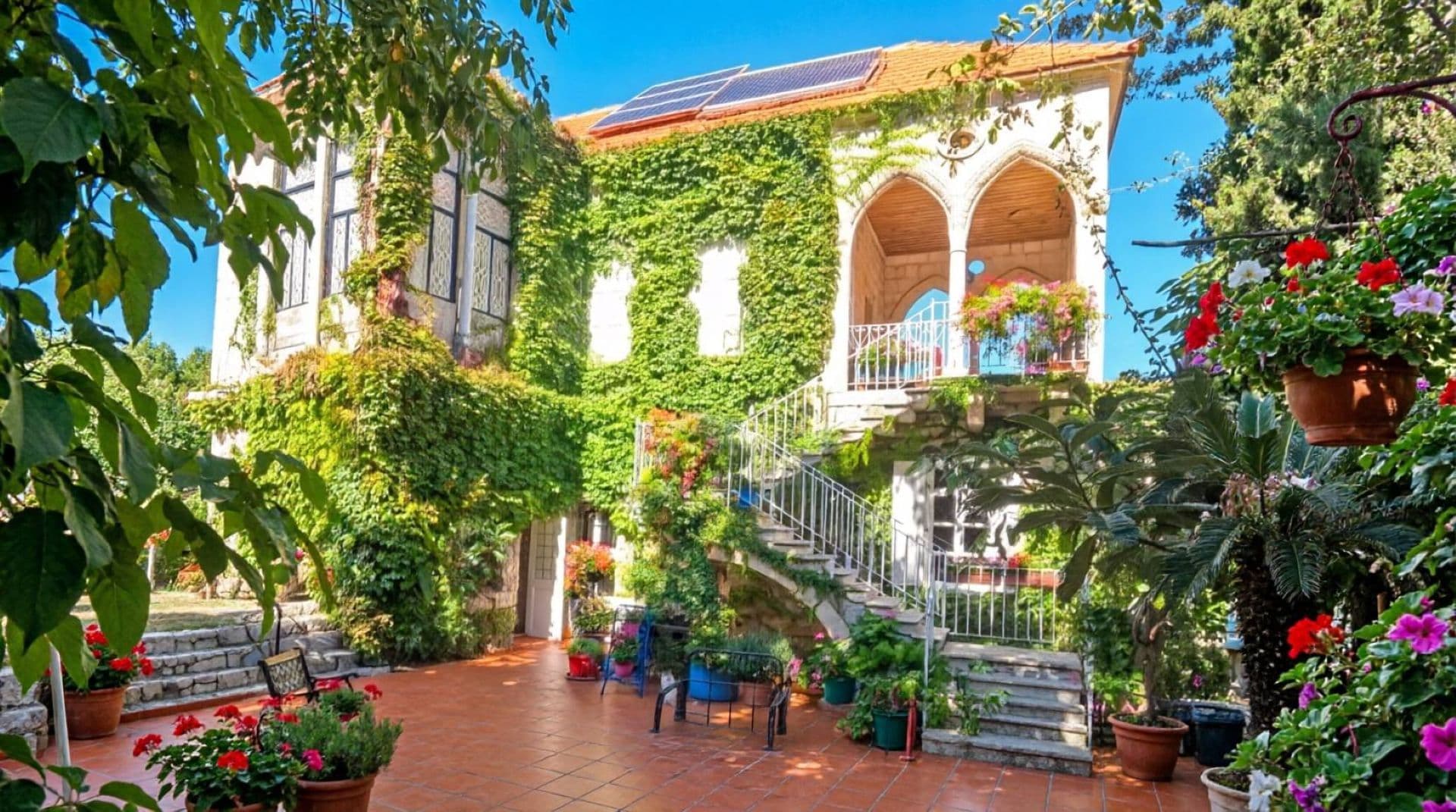
Shoot from the upper village near the Church of the Lady of Dormition or from a ridge-road viewpoint, the elevation and mountain backdrop make this the strongest light of the day. The red-tiled roofs glow amber, the stone façades pick up warm sidelight, and the distant Mediterranean provides a soft blue horizon.
The Souk & Alleyways
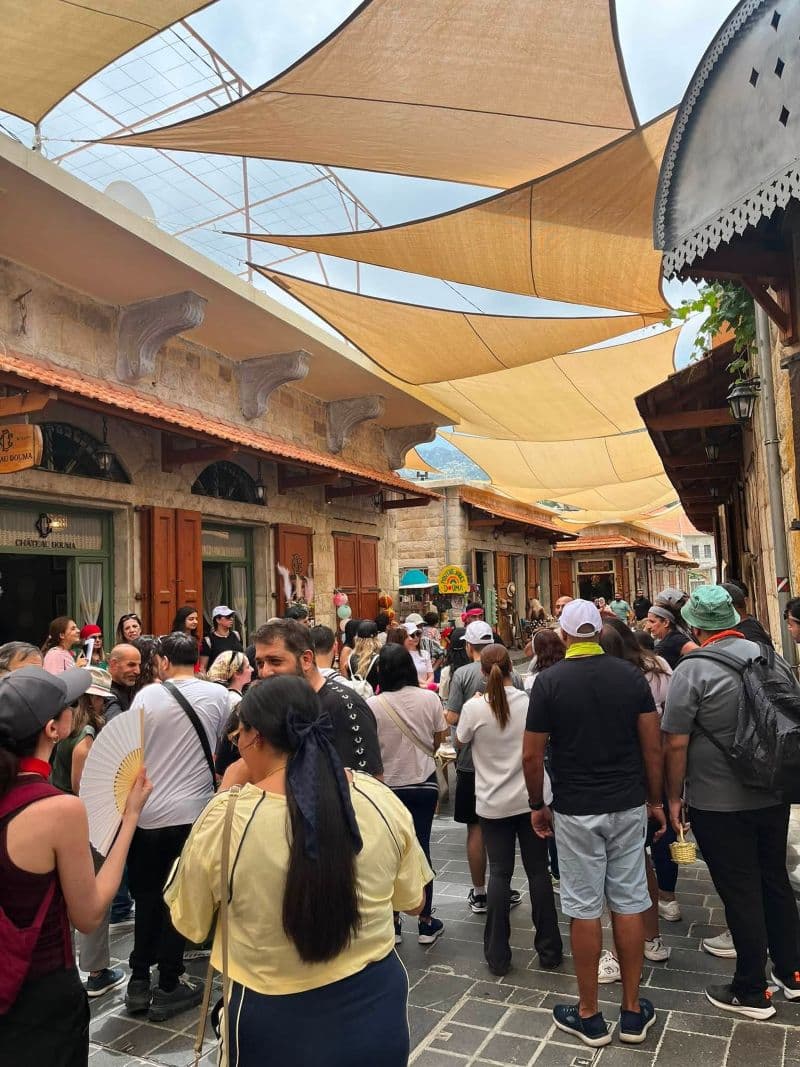
Work through the old souk and narrow alleyways while the light is still soft, stone textures, weathered doorways, and layered rooftops are the signature shots most visitors come for. The old souk is largely traffic-free, so you can set up a tripod without much obstruction. Douma's old cinema, opened in 1951 and long since closed, is worth a detour too, its weathered façade and faded signage make for one of the more evocative, least-photographed subjects in the village.
Break & Review
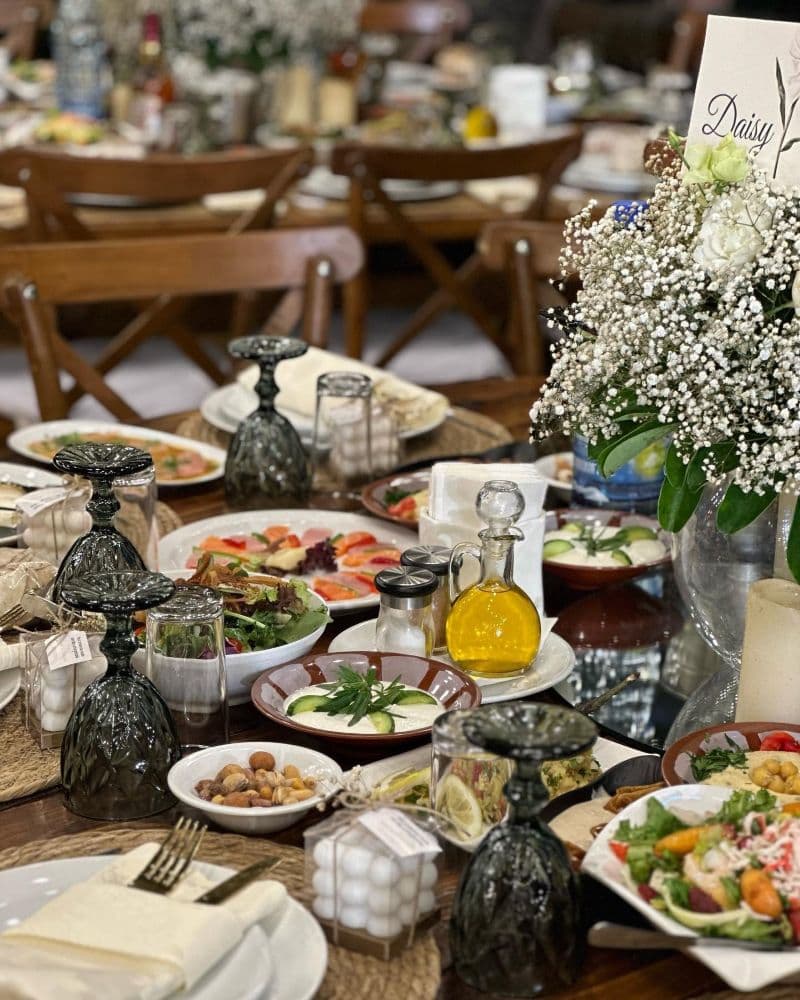
Break for lunch and review shots during the harsher overhead light. A local coffee shop offers a rustic, ornament-filled setting that is itself a worthwhile interior subject, while several restaurants' outdoor terraces provide both shade and a sweeping view over Douma's valley. For current options, see [visitdouma.com/dining](/dining).
Assia Pottery — A Living Photo Story
Head to Assia (under 15 minutes by car) for a different subject entirely. The pottery-making process — clay and quartz sand extracted from the surrounding hills, hand-shaped without a wheel, and dried over weeks before firing, is a strong, authentic photo story. The red earthenware against the workshop's stone walls offers color and texture that complement Douma's architectural palette. Only two households in Assia still practice the craft; documenting their work is documenting a heritage at real risk of disappearing.
Valley Viewpoint
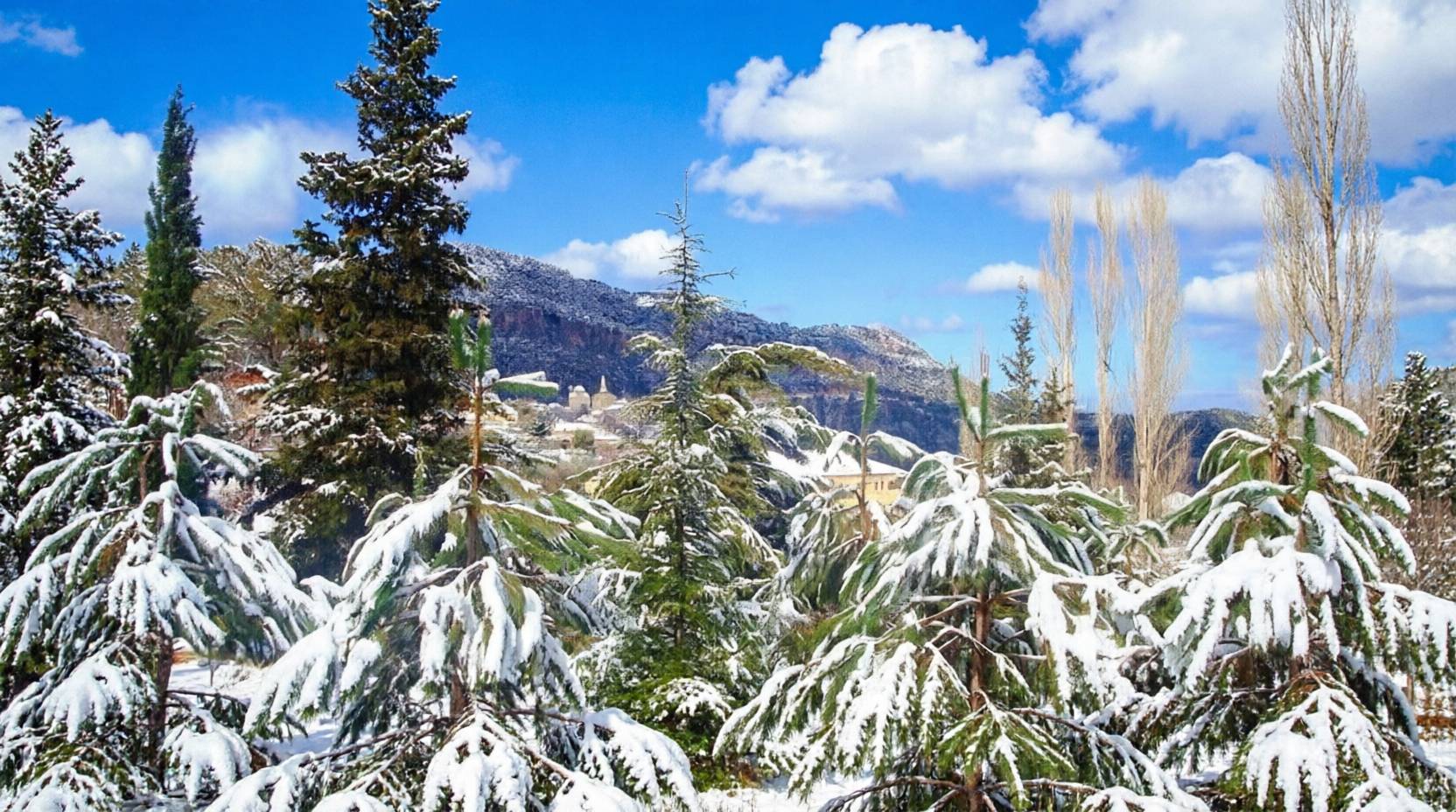
Return to a ridge viewpoint or the hills above Douma for the last light over the valley. The village's red roofs turn deep crimson against the darkening mountains, a final frame that summarizes everything Douma offers in a single shot.