1The Day — A Feast of Mountain Traditions
Mountain Breakfast in the Square
Start at a local coffee shop in the old souk for a simple mountain breakfast: manakish fresh from the saj, labneh drizzled with local olive oil, and kaake still warm from the oven. This is not a hotel buffet — it is how Douma has started its day for generations. For current breakfast and café options, see [visitdouma.com/dining](/dining).
Home-Cooked Lunch at a Heritage Guesthouse
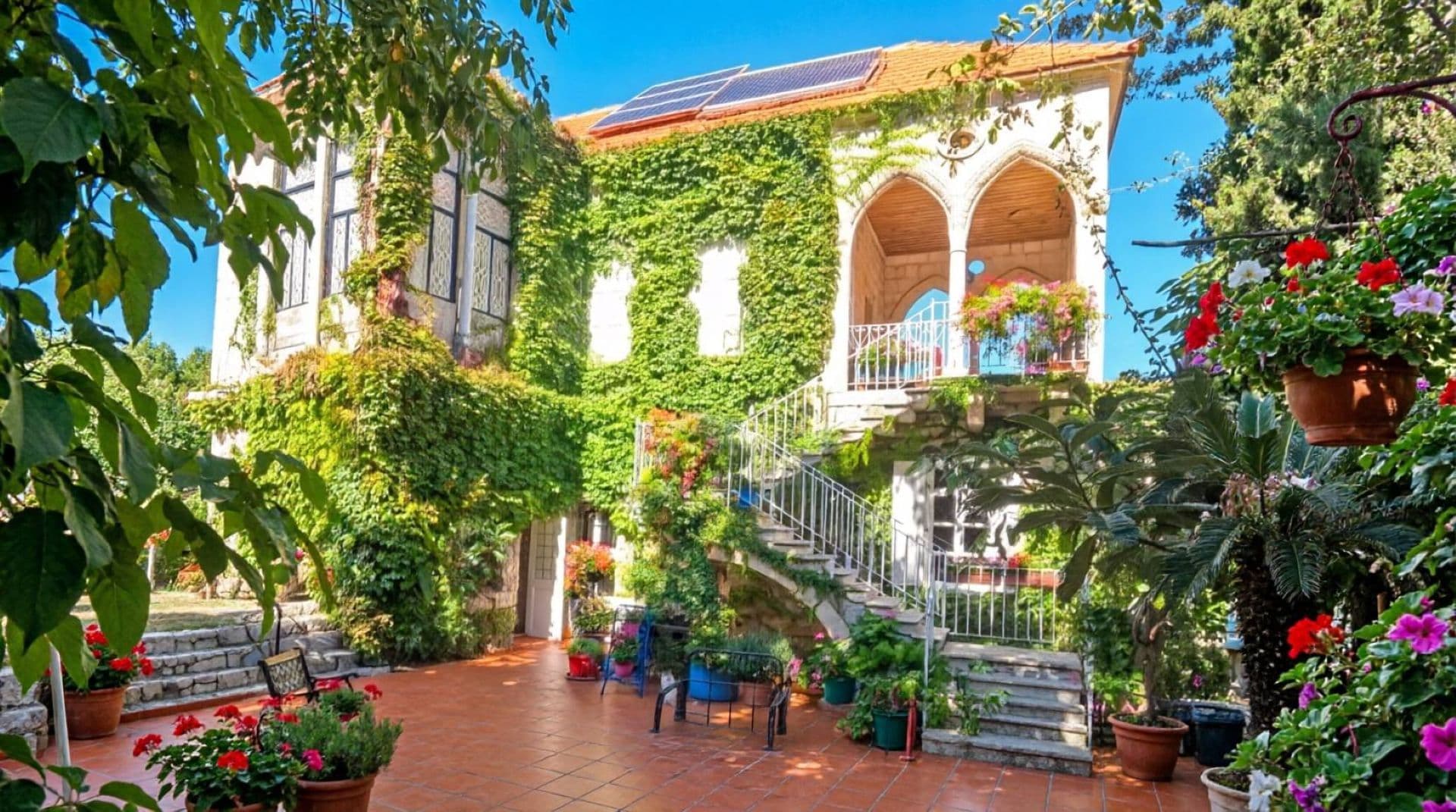
Several of Douma's restored heritage guesthouses open their kitchens to visitors for lunch by arrangement. Expect dishes you will not find on standard restaurant menus: amhiyet (a traditional wheat-and-yogurt soup), keshek (fermented bulgur with milk), and majadarat fassouliya (lentils with beans), recipes passed down through generations of mountain families. Some properties still maintain a taboun (traditional mud-brick oven) on the terrace, producing fresh manakeesh throughout the morning. The experience varies by house, but the common thread is food cooked where it has always been cooked, inside stone walls that have stood for well over a century. For dining and guesthouse options, see [visitdouma.com/dining](/dining) and [visitdouma.com/stay](/stay).
Souk Wander & Local Products
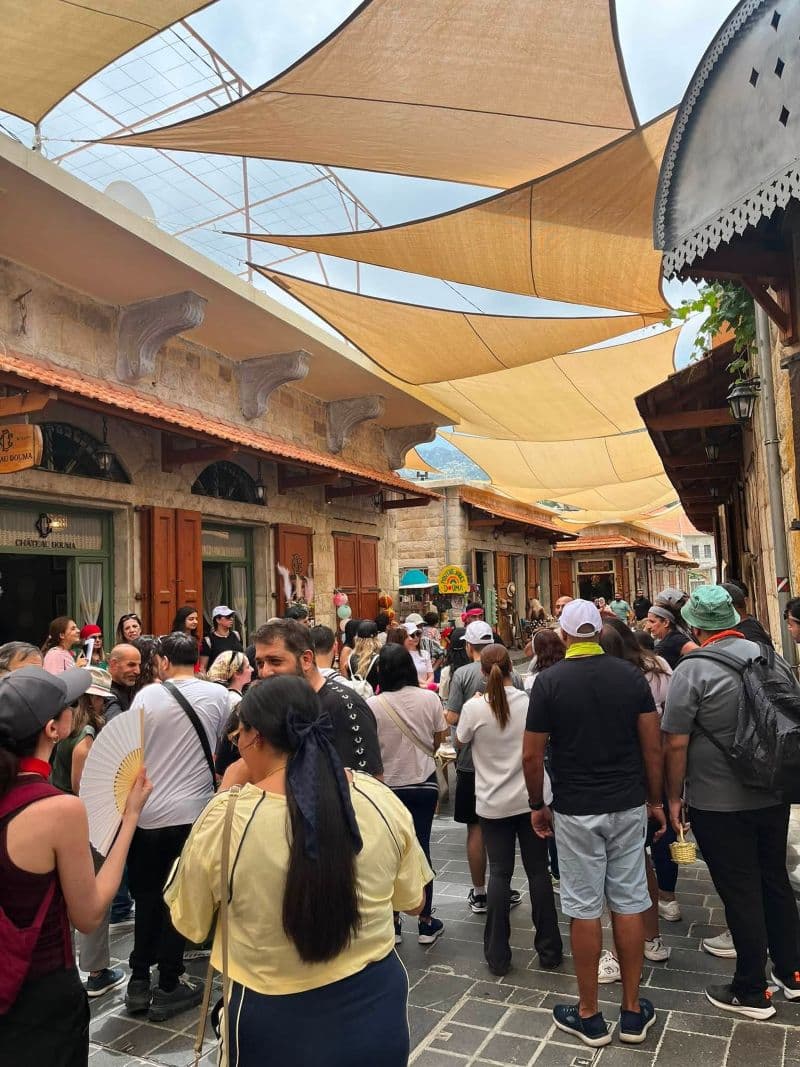
After lunch, wander the souk slowly, stopping at small shops selling local preserves, mountain honey, and cold-pressed olive oil. Douma's souk is not a tourist market, it is a working village center where residents buy their daily provisions, and the quality of what you find reflects that.
Mezze & Arak at Sunset
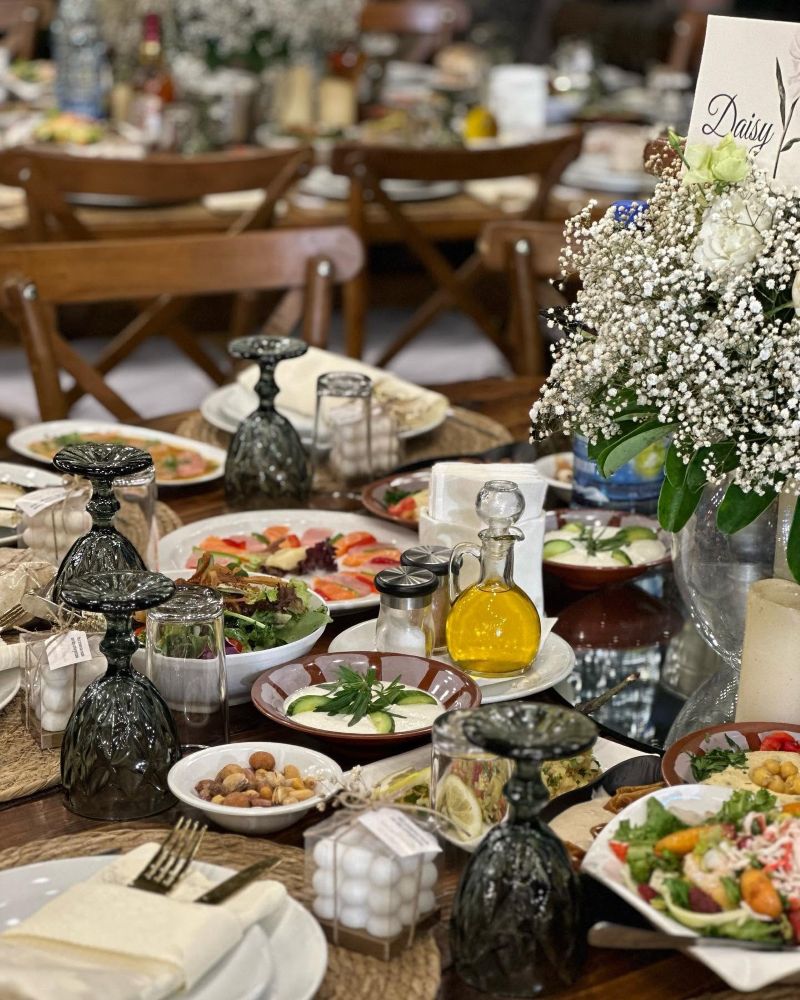
End the day at a local restaurant for a long, unhurried dinner of Lebanese mezze and arak. The exceptional view and weekend entertainment program make it the perfect place to share plates, stories, and a second glass of arak as the mountain air cools. For current dining options, see [visitdouma.com/dining](/dining).
Assia or Bchaaleh Add-On
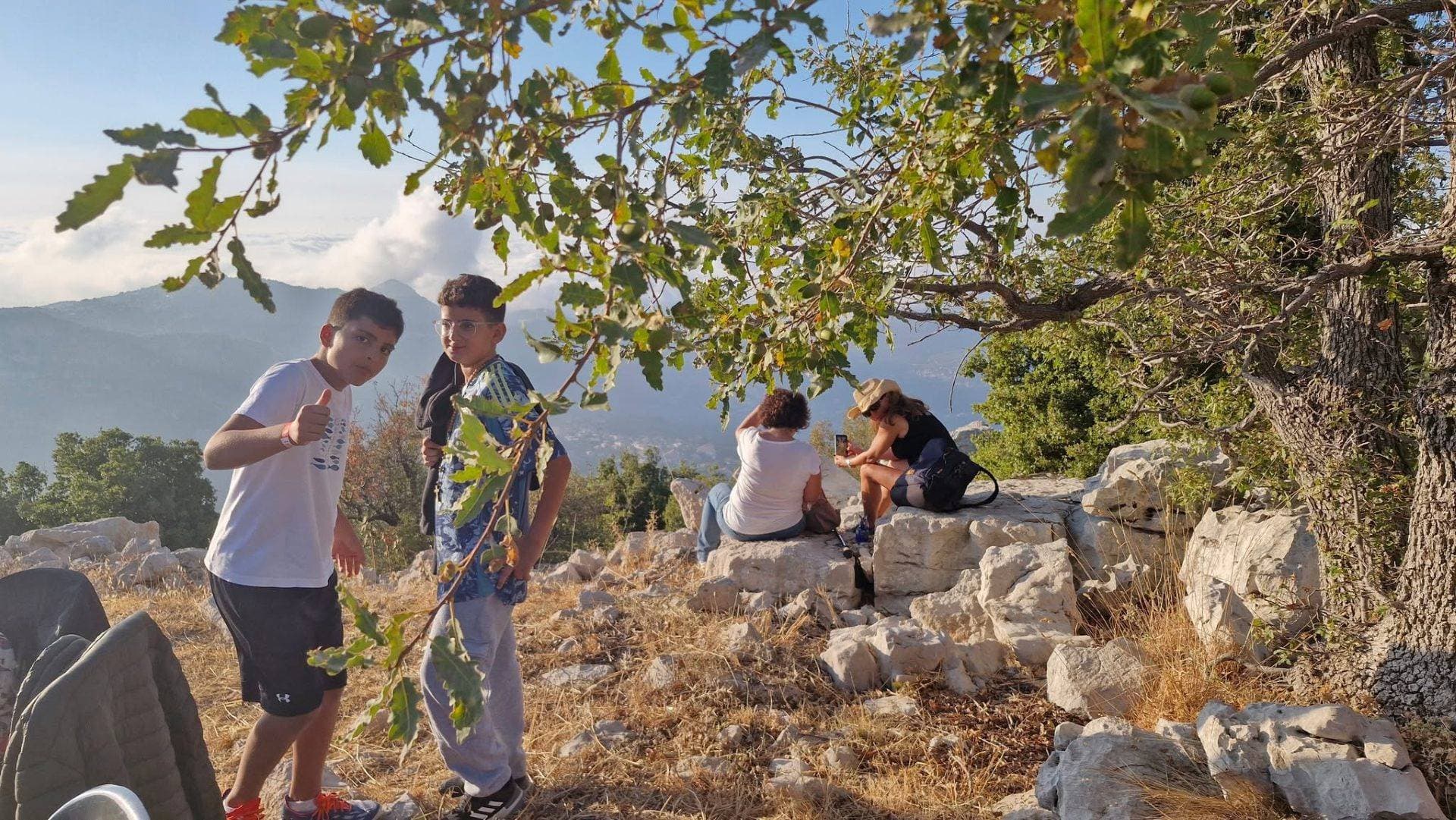
If time allows, a short drive to Assia (under 15-20 minutes) pairs beautifully with the food day — watch pottery artisans at work, then continue to Bchaaleh, home to some of Lebanon's oldest known olive trees, still producing fine cold-pressed olive oil in the Batroun mountains.