1Day 1 — Arrival & The Village Unveiled
Arrival & Heritage Check-In
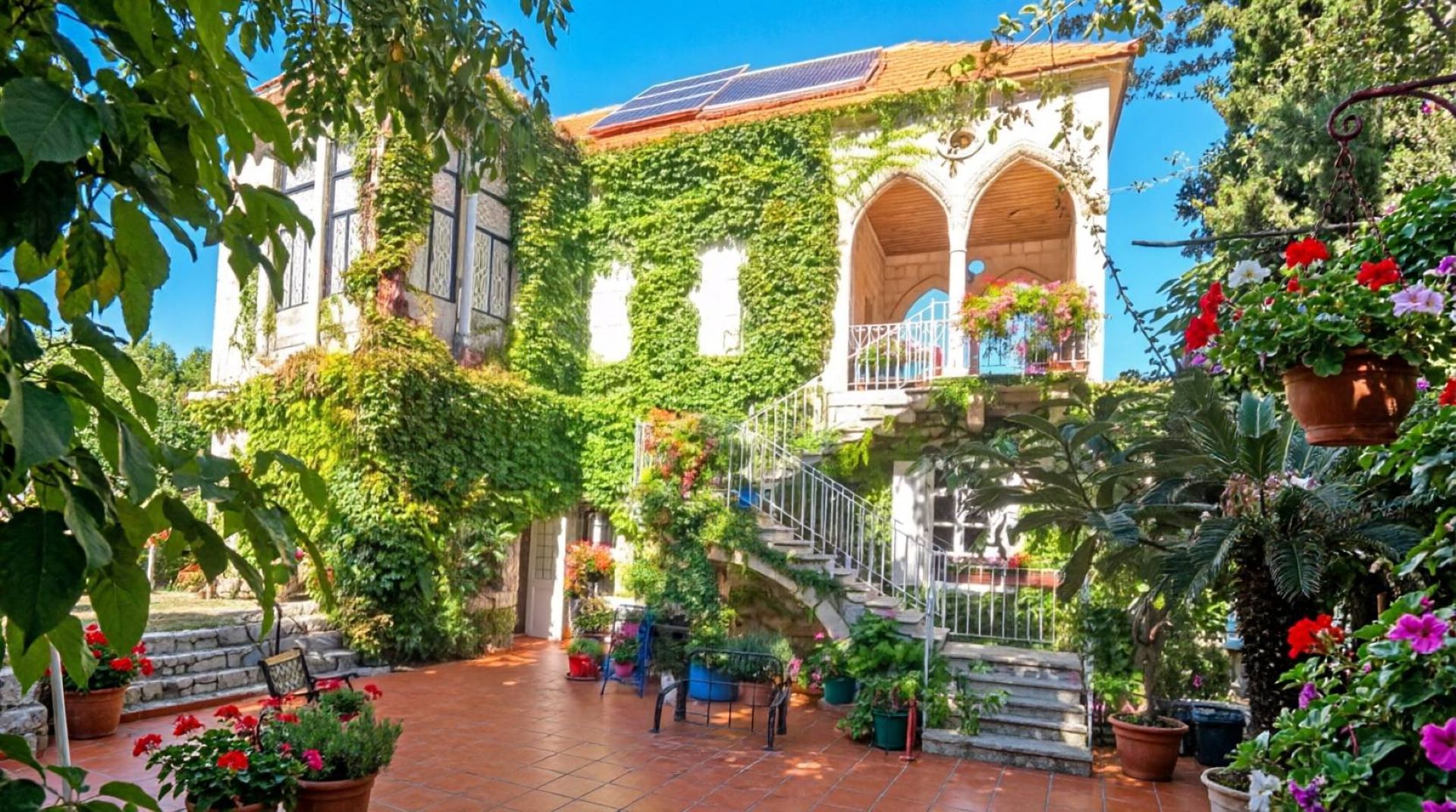
Arrive by early afternoon. Two routes from Beirut are available: the inland route (roughly 80 km north via the M1 coastal highway, exiting at Amchit toward Lehfed, Mayfouk, and finally Douma allow 2–2.5 hours), or the scenic coastal route via Batroun (continue north on the M1 to Batroun, then turn inland through the Batroun mountains toward Douma, slightly longer but offering sea views and olive grove scenery along the way). Douma offers several heritage guesthouses inside restored stone houses, most dating from the village's late-Ottoman building boom of 1881–1914, when remittances from emigrants in Brazil, Argentina, and the United States financed much of the village you see today. Original arches, summaqi stone floors, and mountain views come as standard. For a full directory of heritage and boutique accommodation in Douma, see [visitdouma.com/stay](/stay).
A Stroll Through the Old Souk
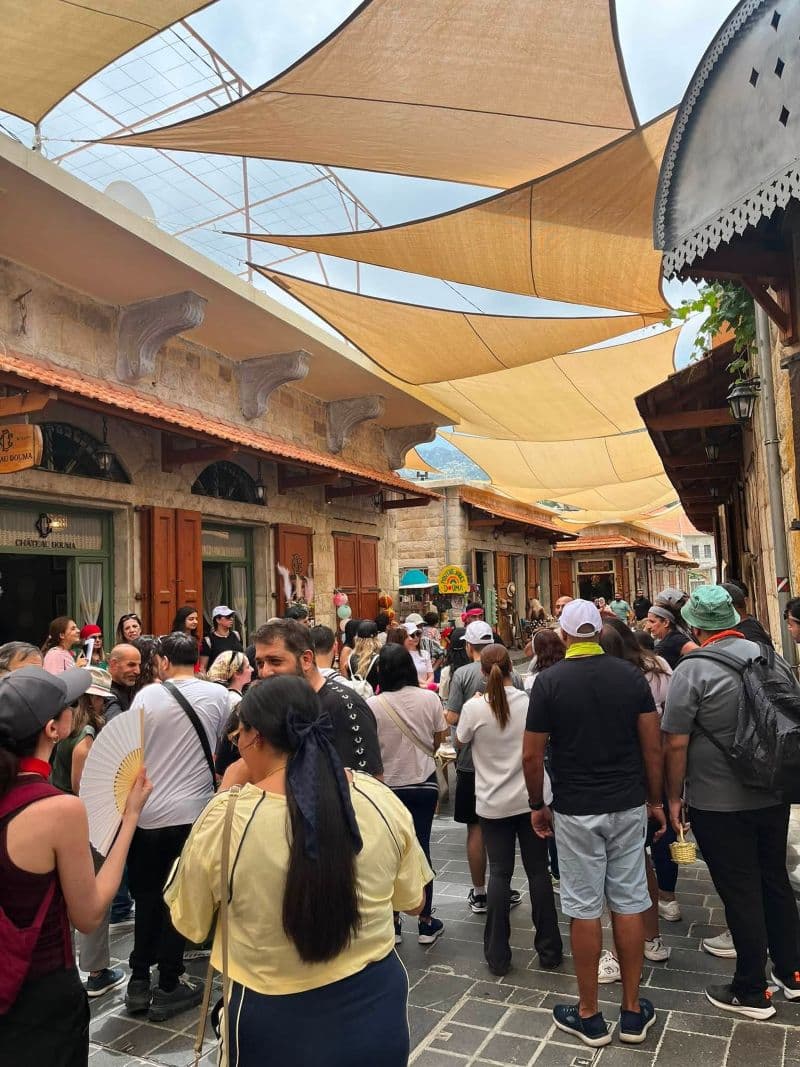
The old souk of Douma is picture-perfect, narrow stone alleys, red-tiled roofs, and small shops selling halawa, olive oil, and homemade jams. There is no rush here; the village center can be crossed in fifteen minutes, yet every doorway and courtyard invites you to pause. In the main square, keep an eye out for the village's 4th-century Roman sarcophagus, inscribed in Greek as the resting place of a man named Castor, who died in the year 317 — a quiet reminder of just how long people have lived in this valley.
Mezze & Arak with a Mountain View
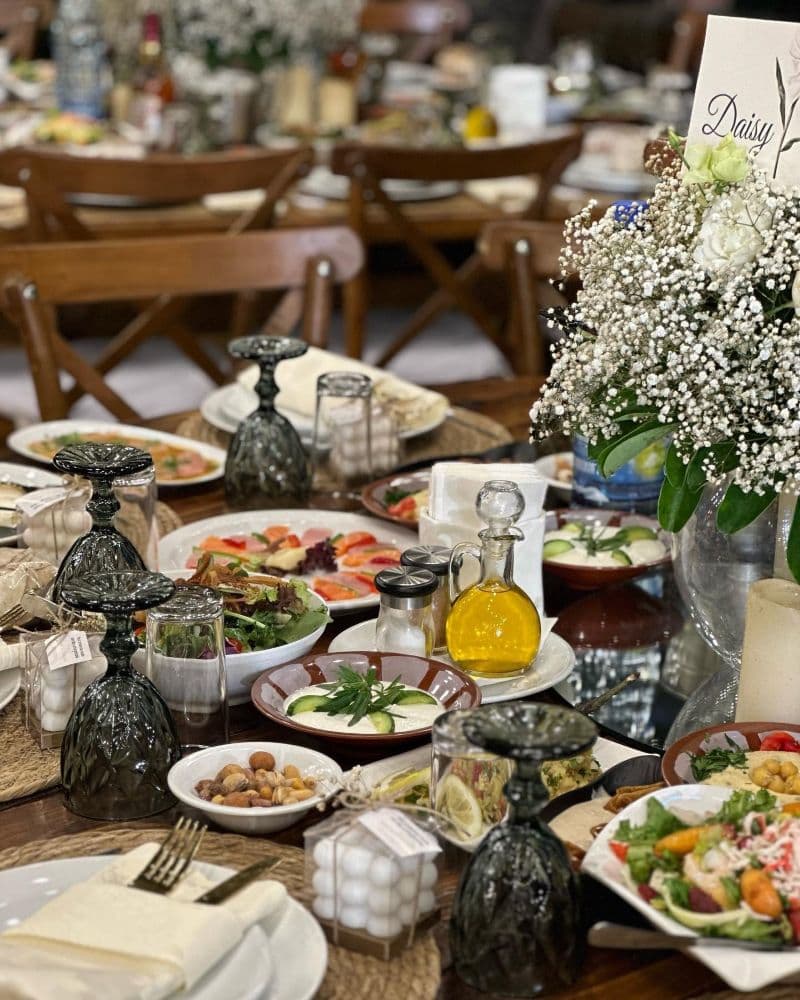
Dinner at a local restaurant serving Lebanese mezze and arak from the heart of Douma, with an exceptional mountain view. On weekends you will often find a lively entertainment program, the perfect backdrop for a slow, shared evening. For current dining options, see [visitdouma.com/dining](/dining).