1The Day — Walking Through Living History
Douma Heritage Museum
Start at the Douma Heritage Museum (Mathaf Douma al-Asari) for context before exploring the streets themselves. The museum houses traditional costumes, household tools, and photographic archives, including images of the emigrants to Brazil, Argentina, and the United States whose remittances financed much of the village's building boom between 1881 and 1914, plus props and costumes from Douma's once-active local theater. Hours vary seasonally, so confirm the current schedule locally before you go.
The Old Town Walk — Traditional Houses & Lebanese Architecture
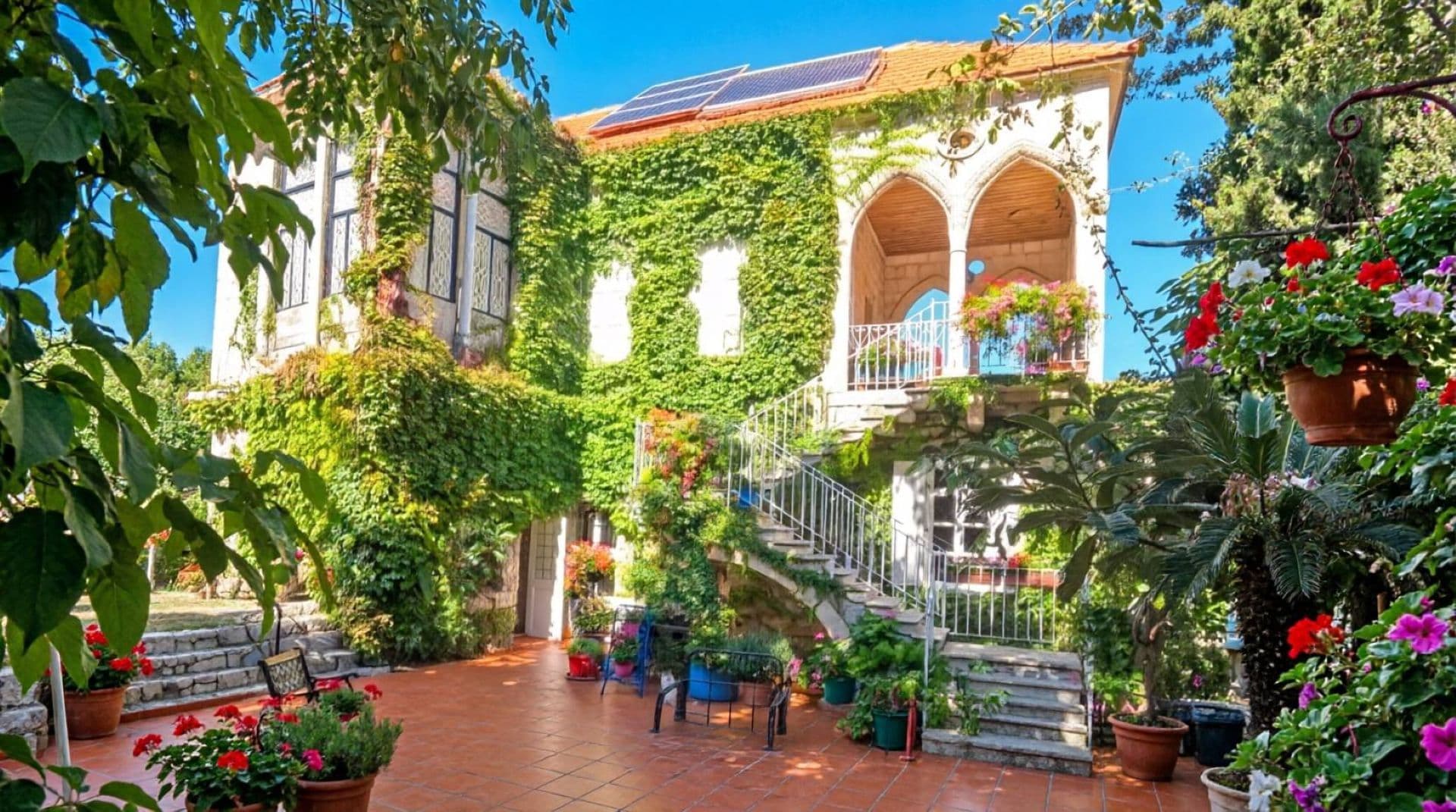
Walk through the old town, where well-preserved stone houses, red-tiled roofs, and narrow alleyways have defined the village's character for generations. In 2023, Douma was named to the UNWTO's Best Tourism Villages list, selected from nearly 260 applicants worldwide and recognized specifically for preserving its architecture, local traditions, and food culture while avoiding chaotic urban expansion. Some of the older houses incorporate stonework that predates the 1881–1914 building boom; look upward as you walk, the red roof tiles and carefully balanced masonry are unchanged from the era when Douma sat on a trading route between the coast and the Bekaa. Several of these historic homes have been converted into guesthouses, offering visitors the rare chance to sleep inside living architecture. For accommodation inside Douma's heritage houses, see [visitdouma.com/stay](/stay).
Historic Churches of Douma
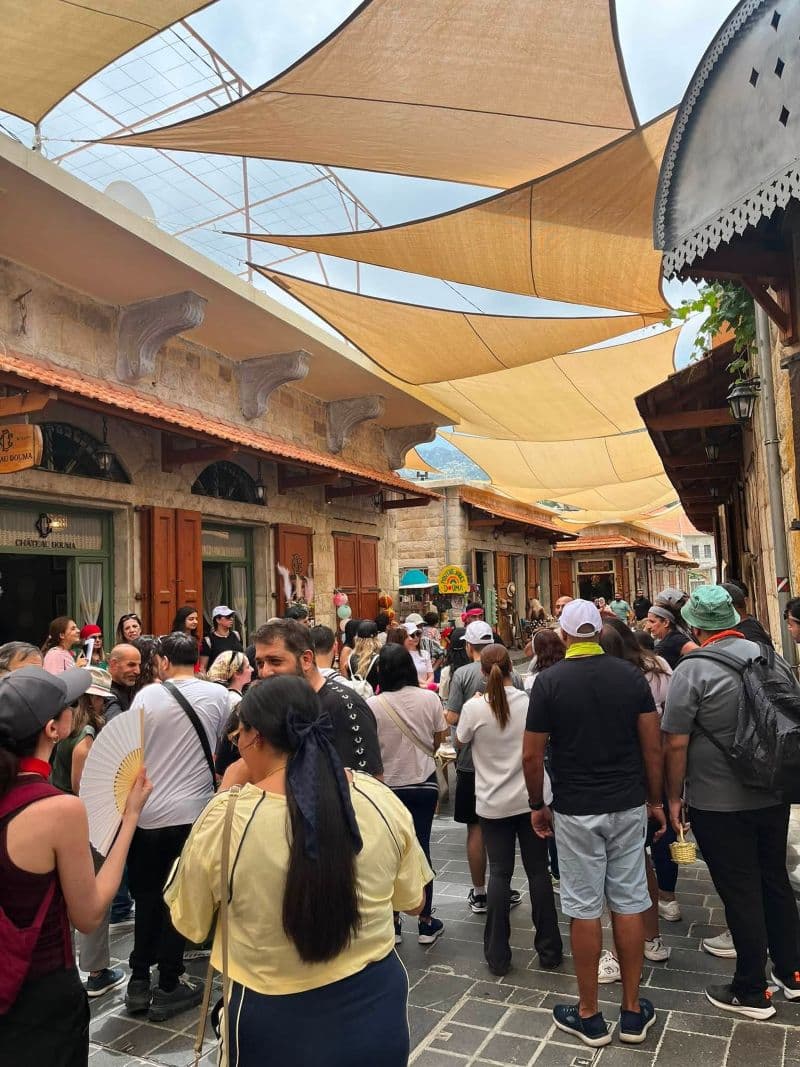
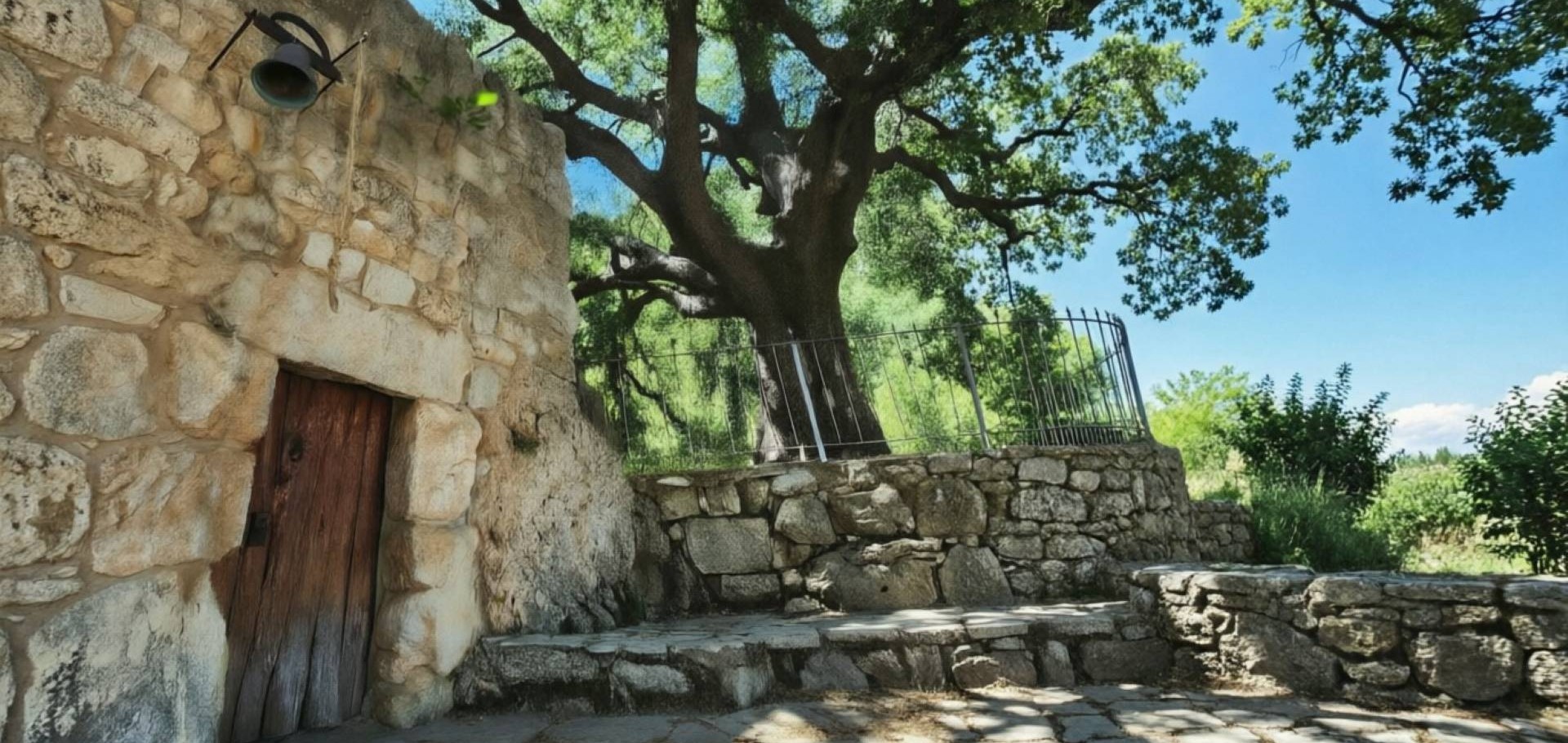
Visit the Church of the Lady of Dormition in Upper Douma. Built in 1905 over a 15th-century original, its Greek Orthodox architecture and mountain-valley views are among the most significant in North Lebanon — its bells still echo across the valley on Sunday mornings. Then descend to Mar Nohra (Saint Nohra), a rock-cut chapel that local historians place among the village's oldest religious sites, said to stand on the remains of an earlier Roman and Byzantine-era place of worship. Douma is unusually dense with religious heritage for its size: Lebanon's National News Agency counts more than 17 churches and monasteries within the village, among them Mar Doumit (Saint Dumyat), built in part from the stones of an ancient Asclepeion temple dedicated to the Greek god of healing, its carved stone lantern still stands at the entrance to the old souk. Restoration work carried out under Lebanon's Directorate General of Antiquities has uncovered antiquities on some of these sites dating to the Byzantine era, around 550 AD, layered beneath the Ottoman-era stonework visible today. Continue toward the old souk to see how the historic trading center has adapted to modern village life, the same lanes that once carried goods and travelers now host cafés and artisan shops, but the stone walls and vaulted passages remain unchanged.
Douma's Old Cinema
Before heading back through the souk, stop by Douma's old cinema, opened in 1951 and once one of the village's liveliest social hubs, where locals gathered for classics like the Egyptian film Antar and Abla. It no longer screens films, but the building still stands as a quiet, evocative piece of village history, a reminder that even a small mountain village once had its own weekly ritual of communal cinema. It pairs naturally with the theatre props and costumes on display at the Douma Heritage Museum earlier in the day.
Bcharre & the Qadisha Valley
A half-day trip to Bcharre (roughly 40 km away) pairs naturally with Douma's heritage focus. Visit the Gibran Khalil Gibran Museum, dedicated to Lebanon's most celebrated poet and artist, then descend into the Qadisha Valley, a UNESCO World Heritage site of monasteries and hermitages that has been a place of spiritual retreat since the early centuries of Christianity. The Cedars of God (Arz al-Rab) forest sits nearby, one of the last surviving old-growth groves of the ancient cedar forests that once covered Mount Lebanon.